AI, Genomics & Bioinformatics Projects
Bio-Computational Decision Support for Crohn's Disease Biologics
Built an end-to-end transcriptomic and deep-learning pipeline to estimate mucosal-healing response and rank Crohn's disease biologics from patient-specific gene signatures.
Bio-Init
Created an open-source Python CLI that scaffolds FAIR-compliant genomics, bio-ML, and viral-evolution projects with standardized layouts, interactive templates, automated tests, and cross-platform CI/CD.
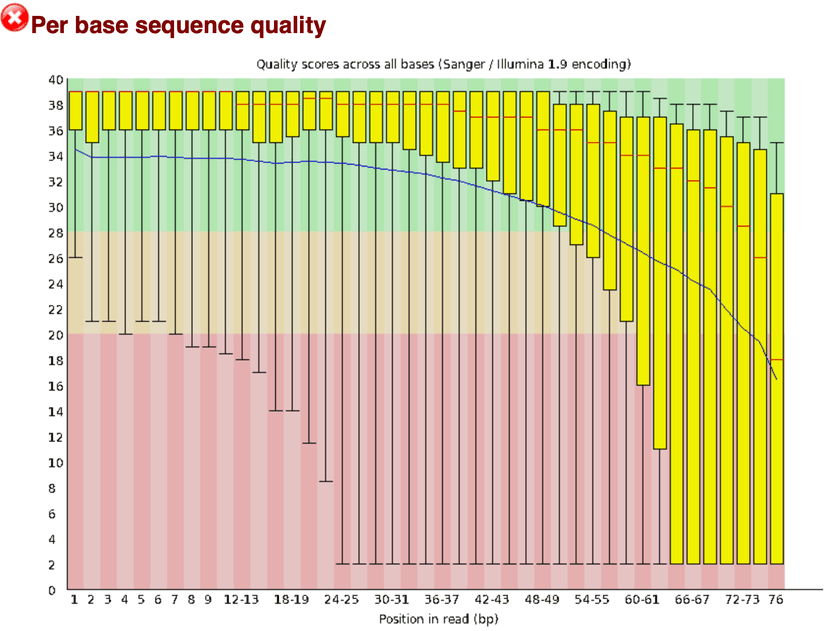
Genomic Variant Calling Pipeline
Engineered a Snakemake pipeline automating variant calling from raw sequencing data, achieving 92.46% alignment efficiency and optimized performance through parallelization.
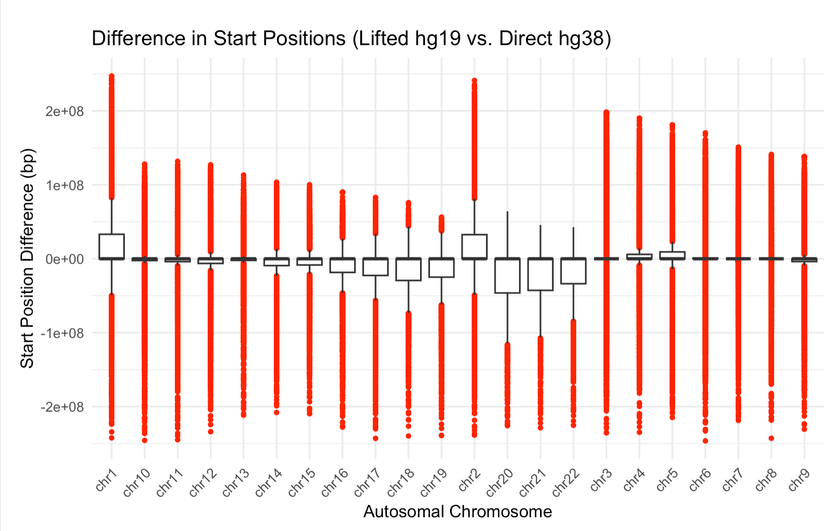
Mappability Analysis Pipeline
Built a comprehensive pipeline evaluating sequencing read mappability factors (read length, alignment modes, genome versions) using statistical analysis and visualizations.
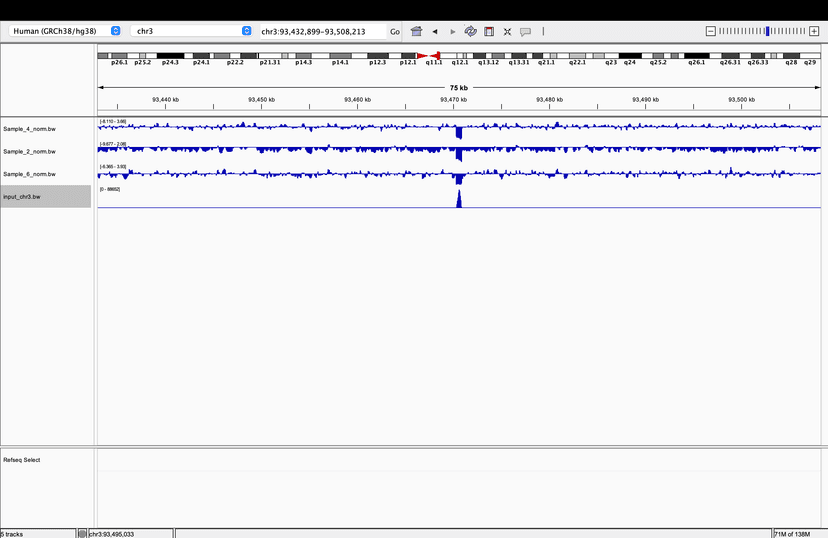
ChIP-seq Epigenetic Analysis
Identified and visualized genomic peaks and chromatin states with MACS2 and deepTools, using IGV for exploratory analysis, ensuring reproducibility with Conda and GitHub.

AI-Driven Sepsis Prediction System
Developed an onset sepsis prediction system using an AI model.
End-to-End Supervised Machine Learning Pipeline
Developed a comprehensive machine learning workflow—from EDA to model interpretation—to predict [Credit Card Default / NYC Airbnb Popularity] using a variety of linear and non-linear algorithms.
Integrated Analysis of Lung Squamous Cancer Patient Data
Conducted a comprehensive analysis of lung squamous cancer patient data including clinical, RNA, and mutation data, performing PCA, clustering, differential expression analysis among other techniques, to infer impacts of several factors on survival.

AI-Driven Ischemic Heart Disease Prediction
Developed a TensorFlow-based neural network predicting ischemic heart disease risk from 320,000+ patient records, using SMOTE for imbalance correction and Keras Tuner for hyperparameter optimization, achieving improved sensitivity and robust performance.
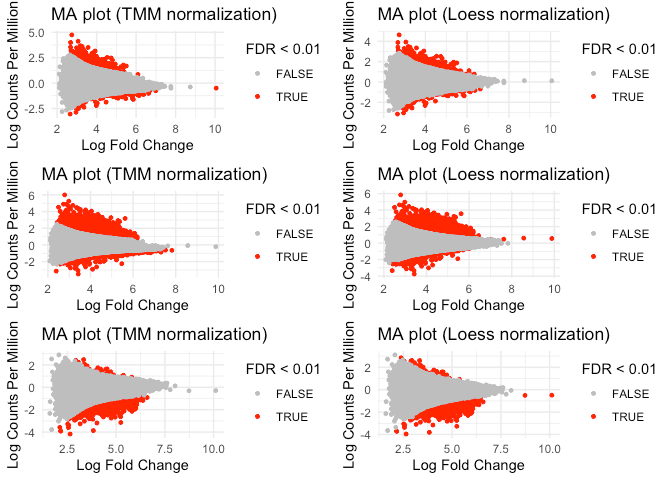
Differential Accessibility Analysis
Performed statistical analysis and identified genomic regions significantly affected by pharmacological treatments with edgeR, using tidyverse and ggplot2 for visualization.
Gene Expression Prediction from Sequences
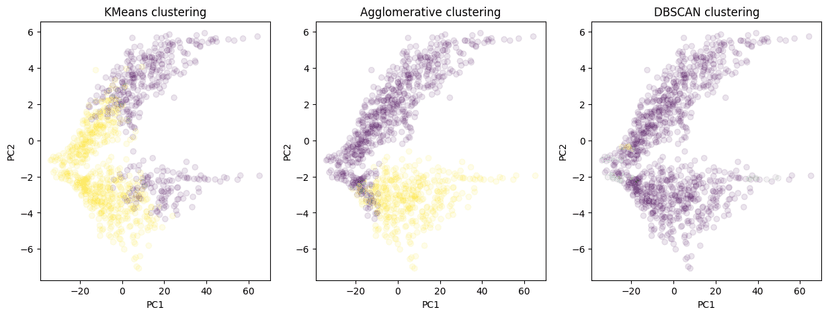
Developed and optimized supervised machine learning models (TensorFlow/Keras) to predict gene expression levels from promoter sequences, incorporating clustering analyses (PCA, t-SNE).
GWAS and Polygenic Risk Score Analysis
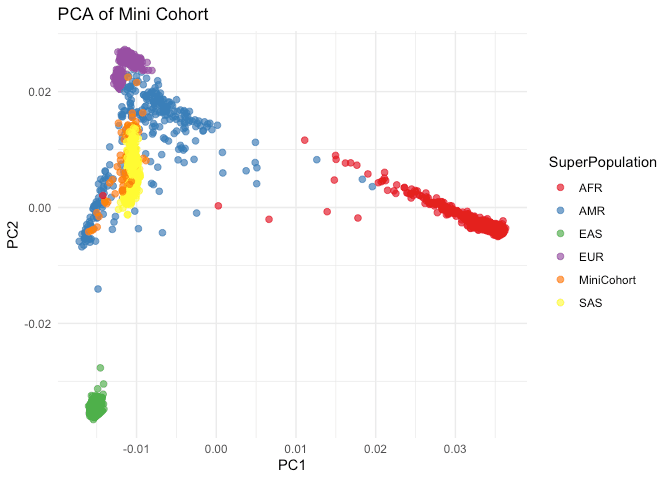
Conducted genome-wide association studies and computed polygenic risk scores (PRS), integrating PCA for ancestry analysis and ensuring reproducibility through GitHub and Conda environments.
Chromatin Accessibility Response Prediction
Reproduced and extended a gastric-cancer ATAC-seq study with a raw-to-results Snakemake pipeline, normalization benchmarking, ROC/AUC evaluation, differential accessibility testing, and peak annotation.